






Across the country, outpatient primary care practices are learning the same lesson: the traditional clinic model — one provider carrying a massive panel of patients alone — is being stretched beyond its limits. To solve this issue at the clinic level, we need solutions specifically tailored to empower clinicians and others working alongside supervising physicians while improving patient access.
We face a complex system of factors in primary care. Driven by an aging population, a rise in chronic disease, and other societal factors, patient demand and volumes are accelerating at a rapid rate. At the same time, we are navigating a critical shortage of healthcare professionals. In rural and underserved communities — like ours in Southern Ohio — these disparities are even more pronounced. For years, the industry’s default response to these pressures has been to ask more of our clinicians. That has led to severe burnout for clinicians and reduced access for patients.
Given our context, we needed to redesign our primary care model to optimize our available resources. So, we shifted our mindset. The future isn't a single provider managing 2,000 patients alone; it's a team carrying those patients together.
The 3/12 System: An Innovative Blueprint for Scheduling
To bring this team-based vision to life without needing to expand our physical footprint, we implemented an extended hour, nontraditional primary care model.
This scheduling strategy pairs two clinicians who manage a shared panel of patients under the supervision of a family physician. Instead of standard five-day work weeks, the two clinicians work opposite schedules. Each clinician works three consecutive 12-hour shifts, followed by four consecutive days off.
Because their schedules complement each other, the same physical office sees patients six days a week (Sunday through Friday). It allows us to care for a large panel of patients in a constrained physical space while ensuring the care team is always accessible.
Benefits We’ve Experienced Since Implementing the 3/12 Schedule
When we design care around teams instead of individuals, the dynamic of the practice fundamentally shifts for the better. We have seen three major transformations:
1. Expanded Access and Continuity of Care
A patient no longer belongs to just a single clinician — they belong to a care team. By keeping the clinic open six days a week from 8 a.m. until 8 p.m., we’ve drastically reduced wait times and opened up scheduling possibilities for our patients that didn’t exist before. Patients are still able to have consistent, familiar care providers, which builds the strong relationships necessary for effective chronic disease management and preventive care.
2. Provider Satisfaction
The goal of this model is to protect clinical judgment so providers can focus on practicing real medicine. With four days off every week, our clinicians have regained the time they need to recharge. And while a 12-hour workday is a very long day, these clinicians are now getting more done at the office and taking less work home. This schedule actively combats burnout, improving both job satisfaction and retention.
3. System Alignment with Value-Based Care
By seeing more patients in the same physical space and fostering deep collaboration between clinicians and supervising physicians, we are generating more comprehensive care plans and improving overall patient outcomes.
Navigating the Challenges
The 3/12 model presents massive benefits, but rethinking traditional scheduling requires careful planning. We’ve had to navigate a few key considerations to make this work:
Coordination and Communication
Because two providers are sharing a patient panel, seamless handoffs are essential. We rely on effective coordination and communication to ensure continuity of care doesn't slip between shift changes.
Training and Scope of Practice
Our clinicians must be empowered and adequately trained to handle a wide variety of complex patient needs. We prioritize ongoing education and professional development to ensure everyone operates confidently at the top of their license.
Financial Implications
A new model requires a new financial perspective. Practices have to evaluate the feasibility of this schedule by carefully weighing factors like staffing costs and reimbursement rates against the revenue generated by increased patient volume and extended clinic hours.
Proof of Concept and the Path Forward
What started as an experiment to solve space constraints and staffing shortages has grown into a highly successful — and, just as importantly, sustainable — reality.
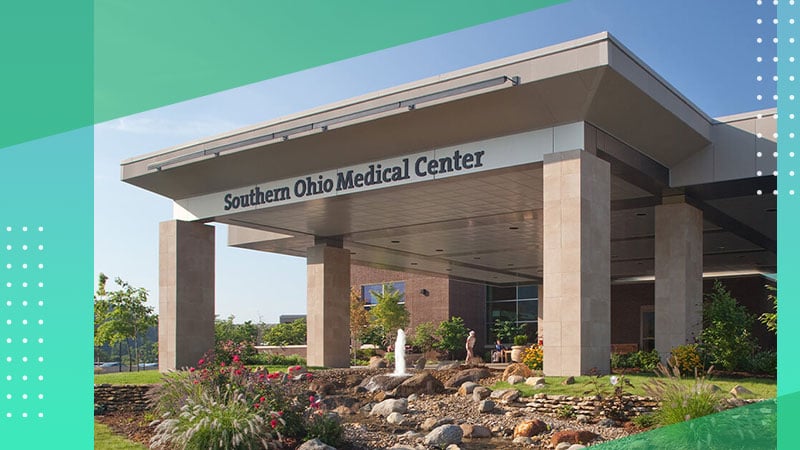
We initially tested the 3/12 model with a single provider in a small rural office. The benefits were immediate and undeniable. That proof of concept gave us the chance to scale the model across twelve family practice offices at Southern Ohio Medical Center.
Family medicine is just the beginning. We are currently implementing the 3/12 model in four of our five pediatric locations. By leaning into innovative scheduling and true team collaboration, we are proving that we can provide superior, accessible care to our community while finally giving our clinicians the balance they deserve.
Rural healthcare organizations face intense financial pressure. In this ebook, learn more about these challenges and MEDITECH's commitment to helping organizations remain independent and community-owned, avoiding forced mergers and consolidations.